

Can a 3D Side-Bend LED Strip Be Used Outdoors? Check the Whole Build First
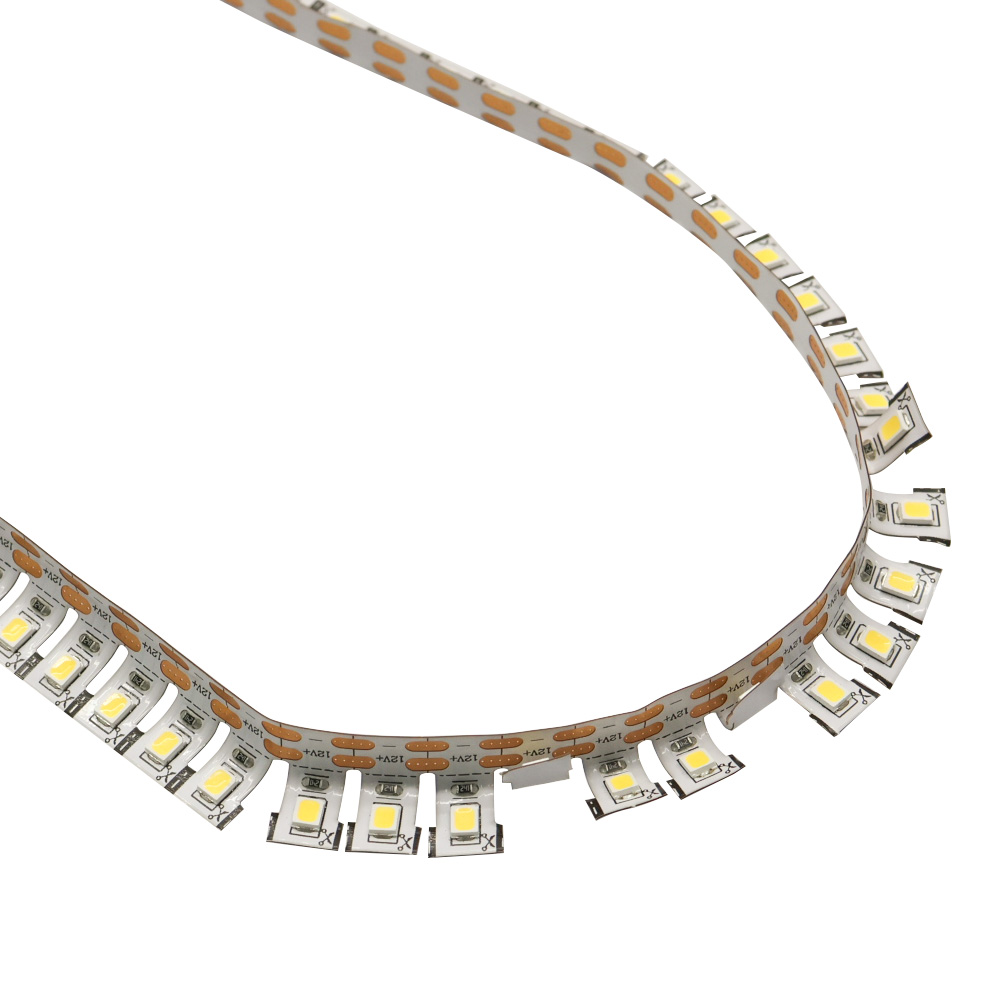
A 3D side-bend strip can help route a light line around a curve or recessed detail. That does not answer whether it can face rain. LIKELIGHT lists model L-S-2835-WZ for curved and recessed uses, but the product page does not publish an IP rating or outdoor approval for the exact ordered assembly.
For an exposed project, keep the model as a candidate only while the supplier identifies the exact build and provides evidence for the exposure you described. The useful comparison is not one IP number against another; it is whether each quote covers the same finished installation.
Start with the site condition
Describe what reaches the light, not just the project label “outdoor.” These are exposure descriptions for the RFQ, not product ratings.
Sheltered detail
Under a canopy or behind a protected recess
Buyer action: State whether rain can blow in, where water drains, and how the area is cleaned.
Rain or splash can reach it
Façade edge, sign return, low-level detail or exposed joint
Buyer action: Ask the supplier to identify the exact strip, ends, joins and enclosure covered by its protection evidence.
Wash-down or standing water
Cleaning spray or water that can collect around the light
Buyer action: Hold the specification until the required protection level and a matching test/document scope are stated for the full build.
Make the protection boundary visible
An IP code is a classification of protection provided by an enclosure under defined test conditions. Ask what the cited document actually covers. Trace the proposed build from the strip to every point where water could enter:
IEC 60529 is the standard titled “Degrees of protection provided by enclosures (IP Code).” A rating on a separate accessory is not automatically a rating for the assembled light. Use the current released document that names the exact model and configuration. The product gallery also contains graphics for other model codes; do not transfer their figures to L-S-2835-WZ.
Compare the scope, not just the number
Before comparing prices, ask each supplier to answer the same four lines in writing:
- Quoted identity: Model code, released specification and drawing revision
- Included construction: Strip length, end treatment, joins, cable entries and enclosure parts
- Evidence scope: Document issuer, evaluated configuration and the parts excluded
- Project responsibility: Who supplies, installs, seals, inspects and maintains each boundary
Use one sample to close the project gaps
Build a representative section with the quoted version, planned cut/connection method, enclosure and mounting orientation. Review fit, access for service and the finished joints against the project drawing. If a formal ingress test is required, agree the test method and responsible lab before ordering; a visual sample review does not create an IP rating.
- Match the sample label and parts to the quotation.
- Record drawing revision, installer method and acceptance criteria.
- Have the project’s responsible technical reviewer approve any required test evidence before quantity release.
Copy this into your inquiry
A short brief is enough to start the review. Mention whether a drawing or site photo is available.
- Application and destination country
- Exposure: sheltered, rain/splash, wash-down or standing water
- Approximate run length and order quantity
- Mounting surface, orientation and where joints/cable exits sit
- Required protection document or project acceptance requirement
Send the application, exposure, approximate length/quantity and destination. LIKELIGHT can then confirm which exact product details and supporting documents need to be checked for your project.
Discuss the L-S-2835-WZ projectView the L-S-2835-WZ product page · IEC 60529 catalogue entry