


2024-01-22
LED "anti-aging" a few small tricks
LED "anti-aging" a few small tricks
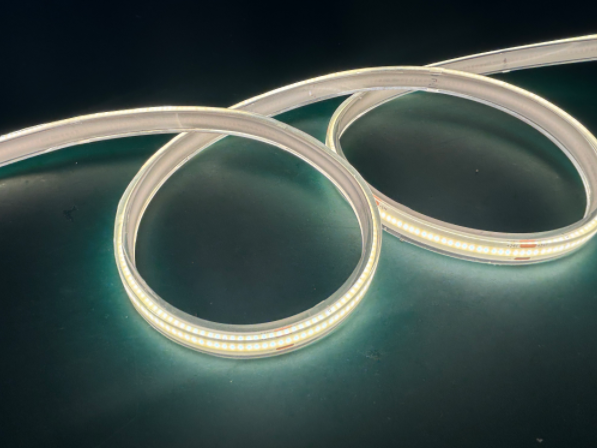
In general, especially high-power LED in the initial lighting stage of the luminosity will have a certain attenuation, LED packaging factory in order to provide the application manufacturer luminous stable products, or application manufacturers in order to obtain stable led materials, usually do some aging tests. Of course, there are many ways of LED aging test, such as conventional aging, overcurrent impact destructive test and so on.
LED manufacturers usually use the following ways to carry out regular aging:
- 1, multi-tube series aging: constant voltage aging circuit and constant current aging circuit
- 2, multiple tubes parallel aging
- 3, multi-tube series parallel aging: series and constant voltage aging and series and constant current aging
- 4, single tube constant current aging
Compare the above four aging methods, 1, 3 ways as long as there is a LED quality failure, such as LED short circuit or open circuit will affect the working current parameters of other leds. The second way is better than 1, 3, any LED characteristics change will not affect the other LED aging parameters, but in fact by the resistance current limiting method is unreliable, the resistance itself resistance drift and the LED's own voltage characteristics will seriously affect the LED parameters. Obviously, the fourth single tube constant current aging captures the LED current working characteristics and is the most scientific LED aging method.
How to effectively prevent product aging:
We often have such problems in the application of LED, LED welding on the product at the beginning of the normal work, but after lighting for a period of time there will be dark light, flashing, failure, intermittent light and other phenomena, to bring serious damage to the product. The reasons for this phenomenon are as follows:
-
1. When the product is applied, the welding process has problems, such as the welding temperature is too high, the welding time is too long, and the anti-static work is not done, etc. More than 95% of these problems are caused by the packaging process.
-
2. LED itself quality or production process caused.
Prevention methods include:
- 1. Do a good job of welding process control.
- 2. Perform an aging test on the product.
Aging is an important guarantee for the reliability of electronic products and is the last indispensable step in product production. LED products can improve performance after aging and contribute to the stability of performance in later use. LED aging test is a very important link in product quality control, but in many cases it is often ignored, and it is impossible to carry out correct and effective aging. LED aging test is based on the failure rate curve of the product, that is, the characteristics of the bathtub curve and take countermeasures to improve the reliability of the product, but this method is not necessary, after all, aging test is at the cost of sacrificing the life of a single LED product.
LED aging methods include constant current aging and constant voltage aging. Constant current source means that the current is constant at any time. If there's a frequency problem, it's not constant current. That's alternating current or pulsating current. Ac or pulsating current sources can be designed to be constant RMS, but such sources cannot be called "constant current sources". Constant current aging is the most consistent with the LED current working characteristics, is the most scientific LED aging way; Overcurrent impact aging is also the latest aging method used by manufacturers, by using a constant current source with adjustable frequency and adjustable current for such aging, in order to judge the quality life expectancy of the LED in a short time, and can pick out a lot of conventional aging can not pick out the hidden dangers of LED. The line is a countermeasure taken by the characteristics of the bathtub curve to improve the reliability of the product, but this method is not necessary, after all, the aging test is at the cost of sacrificing the life of a single LED product.


