


How to Calculate LED Strip Power Supply for Commercial Projects
How to Calculate LED Strip Power Supply for Commercial Projects
For commercial LED strip lighting projects, choosing the right power supply is not only about matching voltage. It also affects brightness consistency, voltage drop, wiring safety, heat dissipation, maintenance cost, and long-term reliability.
Many LED strip problems happen because the power supply capacity is too small, the cable is too thin, the strip is too long without power injection, or the installation layout is not planned before production. This guide explains how to calculate LED strip power supply capacity and what details should be checked before a project order.
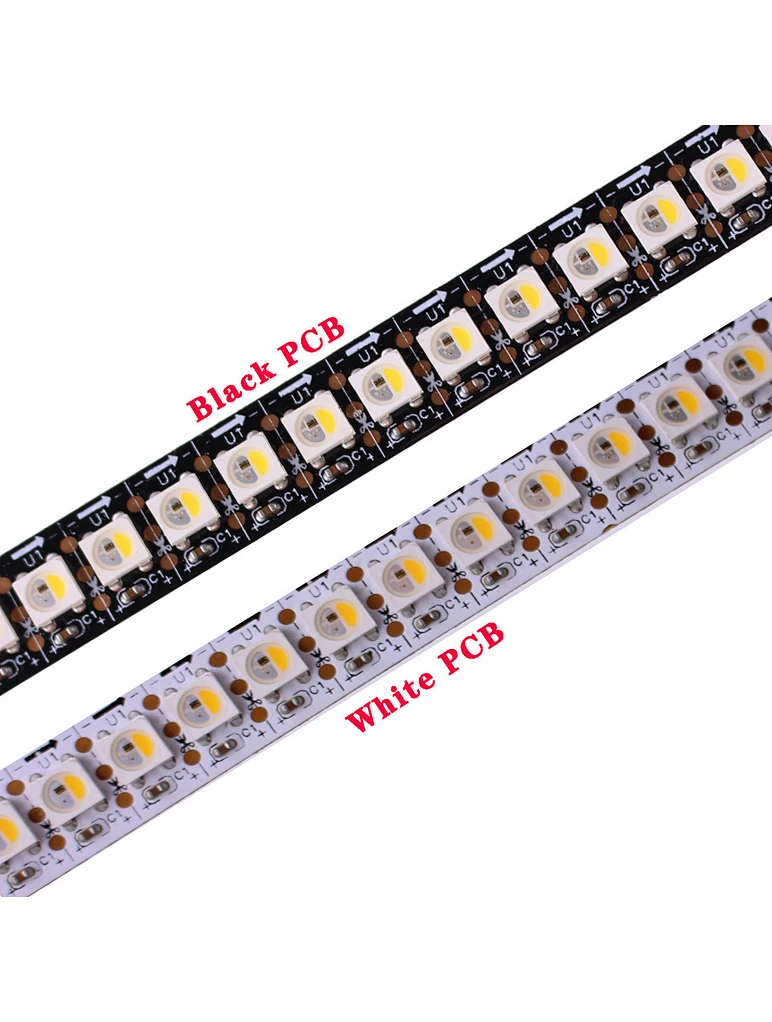
LED strip power calculation should consider total length, wattage per meter, voltage, cable distance, and installation layout.
Quick Formula
Total Power = LED strip wattage per meter × total length
Recommended Power Supply Capacity = Total Power × 1.2 to 1.3
LED Strip Power Supply Calculation Example
For example, if a project uses a 24V LED strip rated at 14.4W/m and the total installation length is 20 meters:
14.4W/m × 20m = 288W
288W × 1.25 safety margin = 360W
Recommended power supply: 24V 360W or higher
In real projects, the final power supply selection also depends on installation space, waterproof requirements, ambient temperature, dimming method, controller capacity, and whether the power supply will run continuously for long hours.
Power Supply Selection Table
| Project Condition | What to Check | Recommendation |
|---|---|---|
| Short indoor strip | Voltage, wattage, controller load | Use matching voltage with 20-30% power margin |
| Long linear lighting | Voltage drop, cable size, feed points | Use 24V and add power injection when needed |
| Outdoor installation | Waterproof grade, heat, wiring protection | Use waterproof power supply and sealed connectors |
| High-power LED strip | Current, PCB temperature, aluminum profile | Use proper heat dissipation and multiple feed points |
| Pixel LED project | Controller output, signal distance, power injection | Separate power planning from signal planning |
Key Factors Before Choosing a Power Supply
1. Match the Output Voltage
The power supply output voltage must match the LED strip voltage. A 12V LED strip needs a 12V power supply, and a 24V LED strip needs a 24V power supply. For commercial projects, voltage should be confirmed before production because it affects strip design, controller selection, wiring, and installation layout.
2. Calculate Total Wattage
The basic calculation is simple: multiply the wattage per meter by the total length. If one project has multiple LED strip models, calculate each type separately and then add the total power together.
For example, 30 meters of 12W/m LED strip requires 360W total power. With a 25% margin, the recommended power supply capacity is about 450W.
3. Leave Enough Power Margin
For professional installations, the power supply should not run at full load for long periods. A 20-30% margin helps reduce heat, improve reliability, and extend service life. For outdoor, high-temperature, or long-hour projects, a larger margin may be considered.
4. Check Voltage Drop
Voltage drop can cause the far end of the LED strip to become dimmer or show color difference. It is affected by strip length, current, PCB copper thickness, cable size, and power feed position.
For long runs, 24V LED strips usually perform better than 12V strips because they use lower current for the same wattage. However, very long or high-power installations may still need power injection.


