


2025-03-17
Detailed analysis of LED characteristics
Detailed analysis of LED characteristics
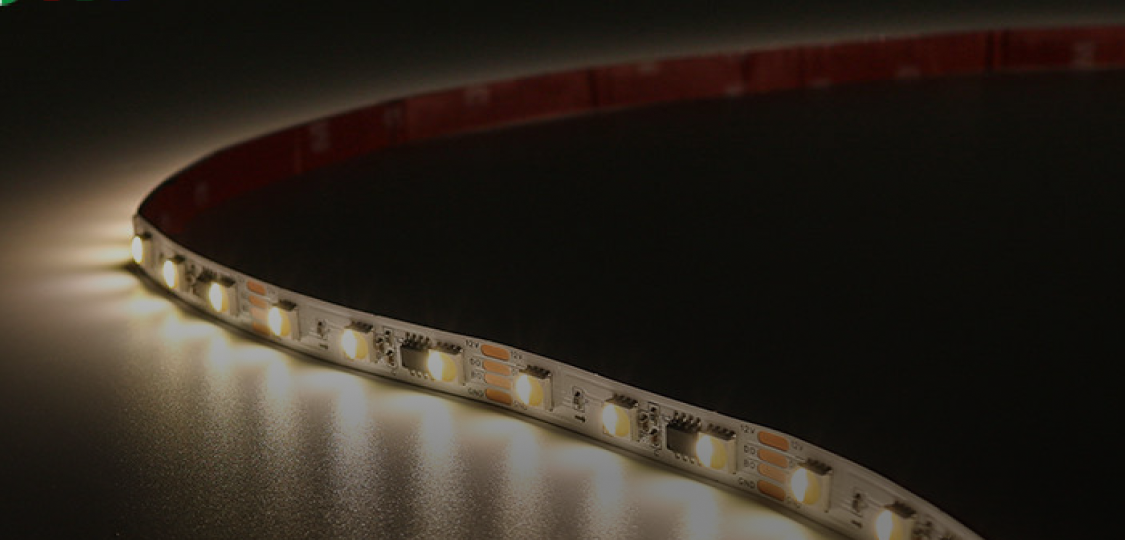
LED (light-emitting diode) is a semiconductor light-emitting device with many unique properties. The following is a detailed analysis of LED characteristics:
1. Photoelectric characteristics
Luminous principle:
- Leds are based on the principle of electroluminescence, when the current passes through the PN junction, the electrons are combined with the holes, releasing energy and emitting in the form of light.
- The color of the light is determined by the energy gap of the semiconductor material.
Luminous efficiency:
- LED light efficiency (lm/W) is higher, usually more energy efficient than traditional light sources (such as incandescent lamps, fluorescent lamps).
- The light efficiency is affected by the material, process and heat dissipation design.
Spectral characteristics:
- LED has a narrow spectrum and high color purity.
- White leds are usually achieved by using a blue chip to excite phosphor.
2. Electrical characteristics
Unidirectional conductivity:
- LED is a diode, with one-way conductivity, can only be positive guide through.
- Reverse voltage may cause LED damage.
Forward voltage (Vf) :
- The forward voltage of leds is usually between 2V-4V, depending on the material (such as about 2V for red light and about 3V for blue light).
- Constant current drive is required to ensure a stable light output.
Current-light intensity relationship:
- The light intensity of LED is approximately proportional to the current, but too much current will lead to reduced light efficiency and shortened life.
3. Thermal properties
Temperature sensitivity:
- The performance of leds is sensitive to temperature, and an increase in temperature will lead to decreased light efficiency, wavelength shift and shortened life.
- Junction temperature (Tj) is a key parameter affecting LED life.
Heat dissipation design:
- Good heat dissipation design (such as heat sink, heat conduction materials) can extend the life of the LED and improve the light efficiency.
4. Optical characteristics
Light intensity distribution:
- The light intensity distribution of leds is usually Lambertian, but can be adjusted by lens or reflection cup.
Beam Angle:
- The beam Angle is determined by the package design, narrow beam Angle is suitable for concentrating light, and wide beam Angle is suitable for flooding light.
Color characteristics:
- The color is determined by the chip material and the phosphor.
- Color temperature (CCT) and color rendering index (CRI) are important parameters.
5. Life characteristics
Long life:
- LED life is usually 20,000-50,000 hours, much higher than traditional light sources.
- Lifetime is defined as the time it takes the light to decay to 70% of the initial value.
Light loss:
- Light decay is mainly caused by chip aging, phosphor deterioration and packaging material aging.
6. Mechanical characteristics
Good shock resistance:
- LED is a solid-state device, seismic performance is better than traditional light sources.
Small size:
- Leds are small and suitable for compact designs.
7. Environmental characteristics
Environmental Protection:
- Leds are mercury-free and environmentally friendly.
- Recyclable.
Low temperature start:
- Leds start well at low temperatures and are suitable for outdoor applications.
Sum up
LED has the advantages of high efficiency, energy saving, long life and environmental protection, but there are also challenges of temperature sensitivity and high cost.
LED has the advantages of high efficiency, energy saving, long life and environmental protection, but there are also challenges of temperature sensitivity and high cost.
If you are not sure which LED fixture is best for your project or need help with layout configuration, contact us LIKLEIGHT, we are a professional manufacturer of LED lamps in China;we have engineers and 24 hours customer service for you.Phone:+86-755-23328395, Email :contact@like-light.com,Wechat/WhatsApp:86-132-66666-320.


