


2024-04-08
How to choose the current limiting resistor for LED
How to choose the current limiting resistor for LED
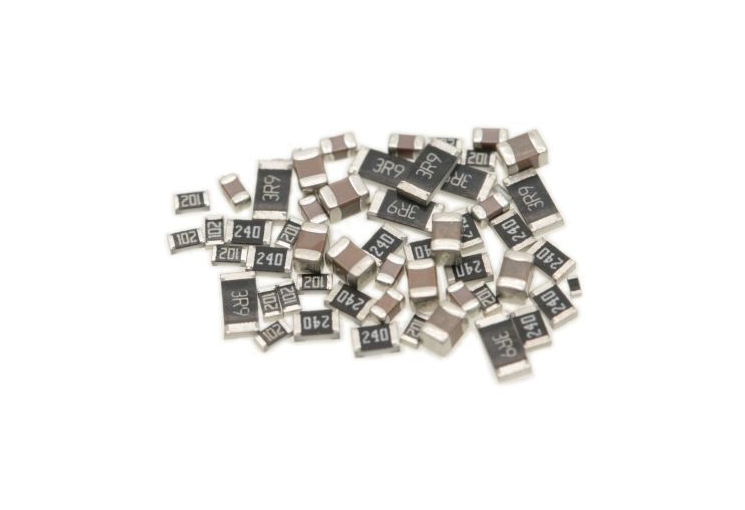
The role of LED resistor
Current limitation and protection: One of the main roles of LED resistors is to limit the current passing through the LED. Because leds are very sensitive to current, too much current can cause LED damage. Therefore, the resistor limits the current by providing additional resistance, ensuring that the LED works at the rated voltage, thus extending the service life of the LED.
Voltage stability: In a circuit, the voltage may fluctuate for a variety of reasons. If the LED is connected directly to the power supply, these voltage fluctuations can cause the brightness of the LED to be unstable or damaged. The resistor can stabilize the voltage at both ends of the LED by absorbing excess voltage, ensuring that the LED works at a stable voltage.
Applications in series and parallel circuits: In the series circuit of the LED, each LED needs the same current to drive. Since the current-voltage characteristics of leds are non-linear, a resistor is needed to ensure that each LED gets the same current. Similarly, in the parallel circuits of leds, although the voltage of each LED is the same, the current may vary due to small differences between leds. Resistors can be used to balance out these differences, ensuring that each LED gets the appropriate current.
Heat management: leds generate a certain amount of heat when working. If the heat is too high, it may cause the performance of the LED to decline or damage. The resistor can reduce the heat generated by the LED by limiting the current, thus protecting the LED from high temperature damage. In addition, the resistor itself can also act as a heat sink to dissipate the heat generated by the LED into the surrounding environment.
Energy saving and efficiency improvement: By precisely controlling the current and voltage passing through the LED, the resistor can improve the energy efficiency and luminous efficiency of the LED. This helps to reduce energy consumption and extend the life of the LED. At the same time, resistors can also reduce energy loss and heat generation in the circuit, improving the efficiency of the entire system.
Voltage stability: In a circuit, the voltage may fluctuate for a variety of reasons. If the LED is connected directly to the power supply, these voltage fluctuations can cause the brightness of the LED to be unstable or damaged. The resistor can stabilize the voltage at both ends of the LED by absorbing excess voltage, ensuring that the LED works at a stable voltage.
Applications in series and parallel circuits: In the series circuit of the LED, each LED needs the same current to drive. Since the current-voltage characteristics of leds are non-linear, a resistor is needed to ensure that each LED gets the same current. Similarly, in the parallel circuits of leds, although the voltage of each LED is the same, the current may vary due to small differences between leds. Resistors can be used to balance out these differences, ensuring that each LED gets the appropriate current.
Heat management: leds generate a certain amount of heat when working. If the heat is too high, it may cause the performance of the LED to decline or damage. The resistor can reduce the heat generated by the LED by limiting the current, thus protecting the LED from high temperature damage. In addition, the resistor itself can also act as a heat sink to dissipate the heat generated by the LED into the surrounding environment.
Energy saving and efficiency improvement: By precisely controlling the current and voltage passing through the LED, the resistor can improve the energy efficiency and luminous efficiency of the LED. This helps to reduce energy consumption and extend the life of the LED. At the same time, resistors can also reduce energy loss and heat generation in the circuit, improving the efficiency of the entire system.
Selection and calculation of LED resistor
The main body of the LED is also a PN junction, but when the LED is turned on, its voltage drop is generally around 2V, and some LEDs can reach 3V. The voltage drop of a regular diode is about 0.5V, such as a Schottky diode.
Light emitting diodes are commonly used as indicators. For example, when sending or receiving data, if the power indicator light or communication indicator light flashes, it indicates that data is being sent or received.
In circuit design, a current limiting resistor should be connected in series. How to determine the value of current limiting resistance? Firstly, we need to know the forward voltage and current of the LED. The forward voltage of the LED is 2.5V, and the forward current is 5mA. This forward current has a range of values. If the current is too high, the diode may burn out. If the current is too small, the brightness of the LED is not enough.
These parameters can be found in the LED data manual.
Assuming a DC voltage of 5V. Subtract the 2.5V voltage drop of the diode from 5V. Divide the remaining 2.5V by 5mA of current. The resistance is equal to 500 ohms.
Therefore, a 500 ohm resistor needs to be connected in series in the circuit.
Light emitting diodes are commonly used as indicators. For example, when sending or receiving data, if the power indicator light or communication indicator light flashes, it indicates that data is being sent or received.
In circuit design, a current limiting resistor should be connected in series. How to determine the value of current limiting resistance? Firstly, we need to know the forward voltage and current of the LED. The forward voltage of the LED is 2.5V, and the forward current is 5mA. This forward current has a range of values. If the current is too high, the diode may burn out. If the current is too small, the brightness of the LED is not enough.
These parameters can be found in the LED data manual.
Assuming a DC voltage of 5V. Subtract the 2.5V voltage drop of the diode from 5V. Divide the remaining 2.5V by 5mA of current. The resistance is equal to 500 ohms.
Therefore, a 500 ohm resistor needs to be connected in series in the circuit.
LED lamp beads bad, change how much resistance?
- Low power red yellow, its resistance = voltage/current =1.8/0.02=90Ω
- Low power blue-green, its resistance = voltage/current =3.2/0.02=160Ω
- High-power red and yellow, its resistance = voltage/current =2.2/0.35=6Ω
- High-power blue-green, its resistance = voltage/current =3.4/0.35=10Ω


